baptism & membership
Baptism IS belonging.
Membership is living OUT that belonging in community.
-
Not yet baptized?
Meet with Fr. Brian to explore the Christian faith and prepare for baptism. You'll learn about the baptismal covenant, Anglicanism and the Episcopal tradition, and what it means to publicly affirm your faith.
Baptism is the sacrament that fully incorporates you into the Church and establishes your membership.
-
Already baptized?
Attend one of our bi-monthly Newcomer Cafes after the 10:30 Mass; it’s a great, low-stress way learn more about St. Paul’s if you’re thinking of making it your church home. We'll cover confirmation, reception, ways to serve, and how to connect.
Contact Fr. Brian to ask about the next Newcomer Cafe..
-
Getting Involved
The various ministries and activities at St. Paul’s offer opportunities to get involved, make new friends, learn and grow, and be of service to the Church and the world.
Baptism
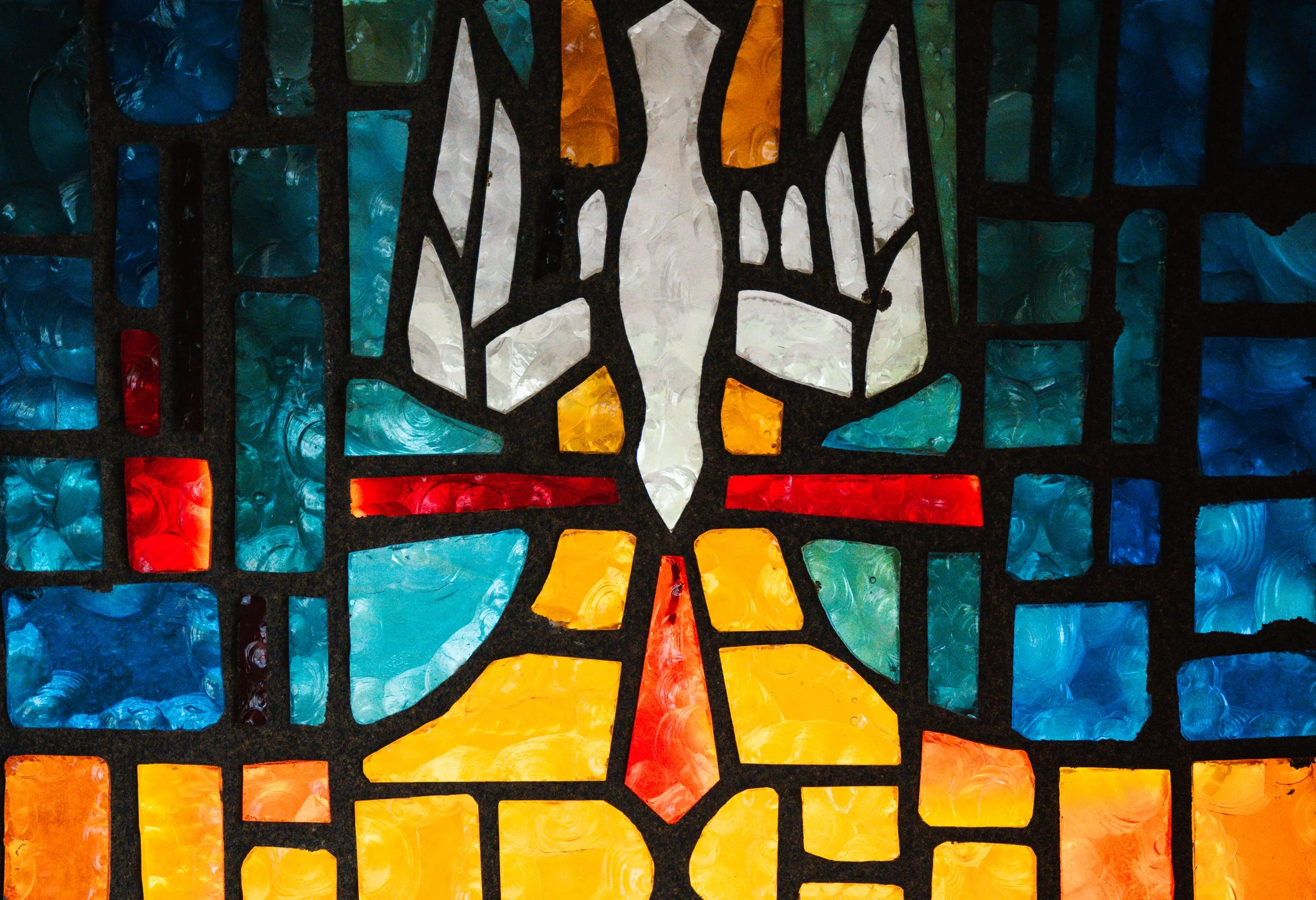
You are sealed by the Holy Spirit and marked as christ’s own forever
Holy Baptism from the Book of Common Prayer
What is Baptism?
Baptism is full initiation into the Body of Christ and the Church.
In the waters of baptism, God lovingly adopts us into God's family. We are given God's own life to share, and reminded that nothing can separate us from God's love in Christ.
The Book of Common Prayer affirms that "the bond which God establishes in Baptism is indissoluble." This means baptism happens once—it's a permanent mark of belonging to God.
People of any age are welcome to be baptized. Whether you're an infant, child, teenager, or adult, God's promise in baptism is the same: you are claimed, named, and loved forever.
Q. What is Holy Baptism?
A. Holy Baptism is the sacrament by which God adopts us as his children and makes us members of Christ’s Body, the Church, and inheritors of the kingdom of God.
The Catechism of the Episcopal Church, from the Book of Common Prayer
Membership
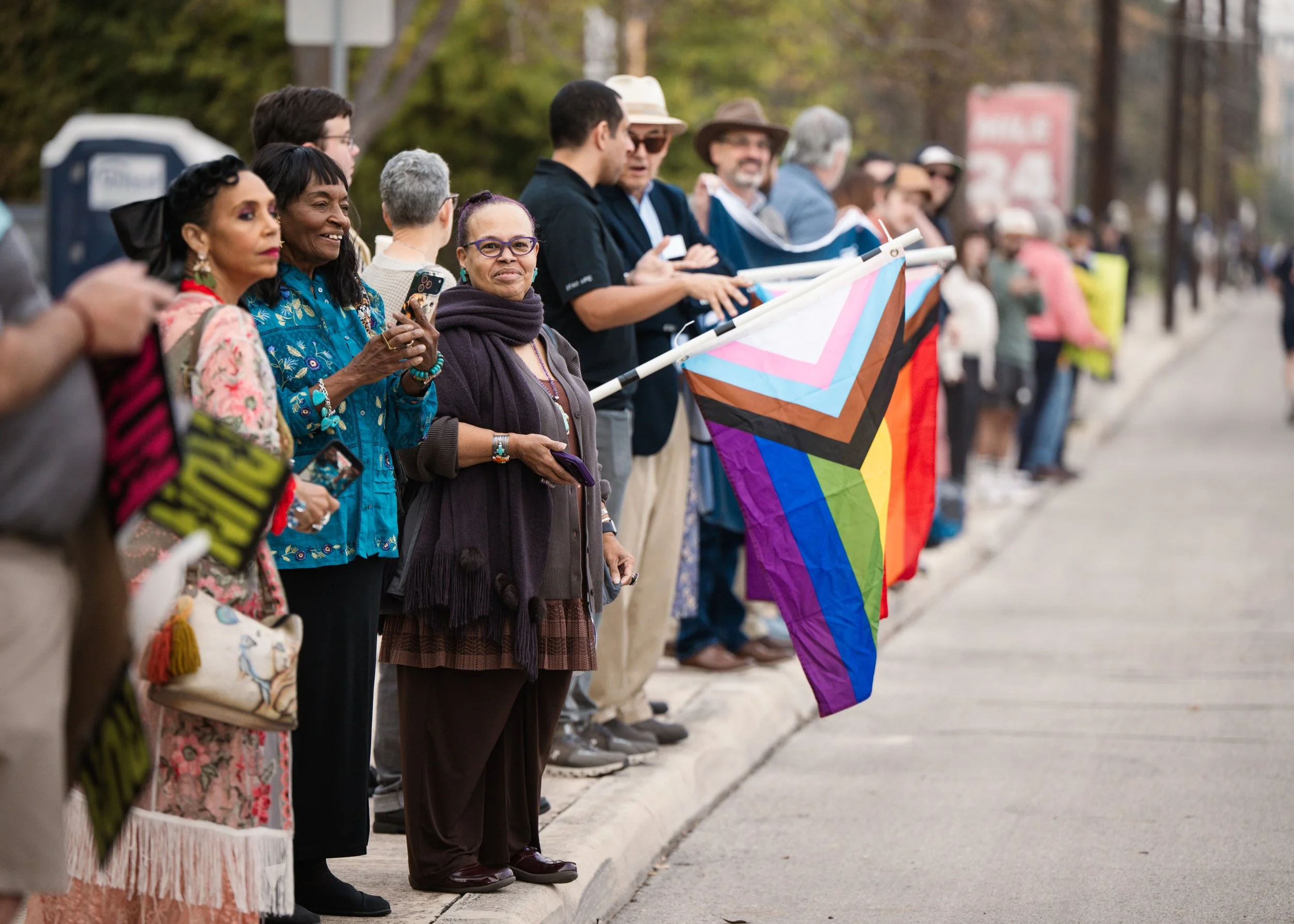
So we, who are many, are one body in Christ, and individually we are members one of another.
Romans 12:5
MEMBERSHIP AT ST. PAUL’S
Membership isn't about dues—it's about baptism.
In the Episcopal Church, membership flows from the sacrament of Holy Baptism. When you're baptized, you're welcomed into the universal body of Christ—a family that transcends denominations and history. When you seek to become a member, you are expressing an intention to join the people of this place as we seek to follow Jesus together, living out his teachings and worshipping together.
At St. Paul’s, as with all Episcopal Churches, membership means having your baptismal record on file and being an active part of our parish community.
Questions About Baptism & MembershiP
-
No. In fact, being baptized (if you aren’t already) is how you become a member. Getting baptized and having it recorded in our register is what establishes membership at St. Paul’s.
-
No, though we encourage attending for a few weeks so the community can get to know you, and you us. In baptism, the congregation promises to support you in faith—and it helps if they know who they're making promises for.
We don’t think Christianity is something you do on your own — we’re on this journey together!
-
In keeping with the most ancient traditions of the Church, we believe in one baptism, so if you have been baptized in water in the name of the Father, Son and Holy Spirit, there is no need to be baptized again — nothing can ever separate you from the love of God in Christ, or your rightful place in God’s family.
If, however, you have doubts about your baptismal status, or you would like to make an adult reaffirmation of your baptism, or you want to acknowledge a new name or gender identity, let’s talk — we’d love to celebrate and acknowledge what God is doing in your life!
-
Not ordinarily, no. The Book of Common Prayer directs that baptism happen during Sunday Eucharist.
We believe baptism is full initiation into the Church, and we want to be present to welcome — and rejoice with — the newly baptized. It is, after all, a thing worth celebrating: Christ’s body gains a new member, the frontiers of God’s kingdom advance, and the victory of life over death is incremented by one precious, unique, and utterly irreplaceable person.
So, public baptism is the normal practice in the Episcopal Church. Private baptisms may be conducted under certain circumstances (such as a severe medical condition or terminal illness).
-
The Book of Common Prayer suggests four particularly appropriate times: Easter Vigil, Pentecost, All Saints Sunday (in November), and the Baptism of Our Lord (in January). However, baptisms can happen on any Sunday when there is a candidate.
-
Baptism is one of the two Christian sacraments (or material signs of God’s grace, entrusted to the Church) commanded by Jesus himself. He instructed his apostles to “go therefore and make disciples of all nations, baptizing them in the name of the Father and of the Son and of the Holy Spirit” (Matthew 28:13).
The outward form of the sacrament is simple: someone immerses you in water (or pours it over your head) while proclaiming that you are baptized in the name of the Father, the Son and the Holy Spirit. By ancient tradition (and in the interest of good order and accurate records), that person is normally a priest or other minister of the Church, but any baptized person can baptize another.
Inwardly, baptism is the means by which we are adopted as children of the living God and made members of the Church, the Body of Jesus Christ and the beginnings of a new creation. Baptism is citizenship in God’s kingdom and adoption into God’s family and household.
In the Episcopal Church, we (like most Christians through time) regard baptism as full and complete membership in Christ’s church.
-
Unbaptized people are very welcome to worship and learn and explore with us! Many of us became Christians as adults, and attended for a long time before our baptism.
If you are curious about Jesus, his teachings, or the traditions of the Church and feel drawn to explore at St. Paul’s, you are most welcome here.
You will find that we are happy to provide generous space for you to learn and question. You will not be hectored or pressured to make any decisions you aren’t ready to make. We trust that God is at work in your life, and are glad you are with us.
-
Yes, and yes. Fr. Brian (or any other priest) will gladly answer any questions and help you make plans as appropriate, but here is the long and short of it: in the Episcopal Church, people may be baptized at any age.
If a person is old enough to express their own intentions, they will make their own decision: if they feel called to baptism and can assent to our Baptismal Covenant (which is a summary of basic Christian beliefs, and a series of promises to pattern one’s life after Jesus’ teachings), they may be baptized.
But we know that from the very earliest centuries, the Church also practiced infant baptism, and we preserve this practice. In this case, children too young to decide or speak for themselves may be baptized on the commitment of their parents and godparents to teach them the faith of Christ’s church. When they are older, they will have opportunity to make a mature affirmation of faith confirming the promises made in their name.
The history and debates around infant baptism are complex. To us, though, the really important thing is this: in baptism (as in all sacraments) it is God who acts.
-
Any baptized person who regularly worships with and contributes to the life of our congregation may be considered a member of St. Paul’s. Simply let a priest know that you would like to make this your church home. If you come to us from another church tradition, you may wish to be confirmed in (or received by) the Episcopal Church. If you come to us from another Episcopal parish, we ask that you let us know (so you’re not counted in both places).
But St. Paul’s (and the rest of the Episcopal Church) is part of Christ’s one, holy, catholic and apostolic Church, and baptism is the Church’s great and ancient sacrament of belonging, instituted by Jesus himself. Everything else is record-keeping.