
Seasons at St. Paul’s
CHRISTMAS
Sunset on December 24 - Sunset on January 5
The colors of the season are white and gold.
“And the Word became flesh and lived among us, and we have seen his glory, the glory as of a father’s only son, full of grace and truth.”
John 1:14
Christmas is the celebration of Jesus’ birth and earthly life: of God with us in the world.
The season of Christmas, or Christmastide, begins with Christmas day — the great Feast of the Nativity of Our Lord Jesus Christ — and lasts 12 days until January 5, the day before Epiphany. The season includes Christmas Day, the First Sunday after Christmas Day, the Holy Name of Our Lord Jesus Christ, and may include the Second Sunday after Christmas Day.
Christmas is celebrated in almost unimaginable variety by Christians around the world.
In the Book of Common Prayer, Christmas Day is one of the seven principal feasts.
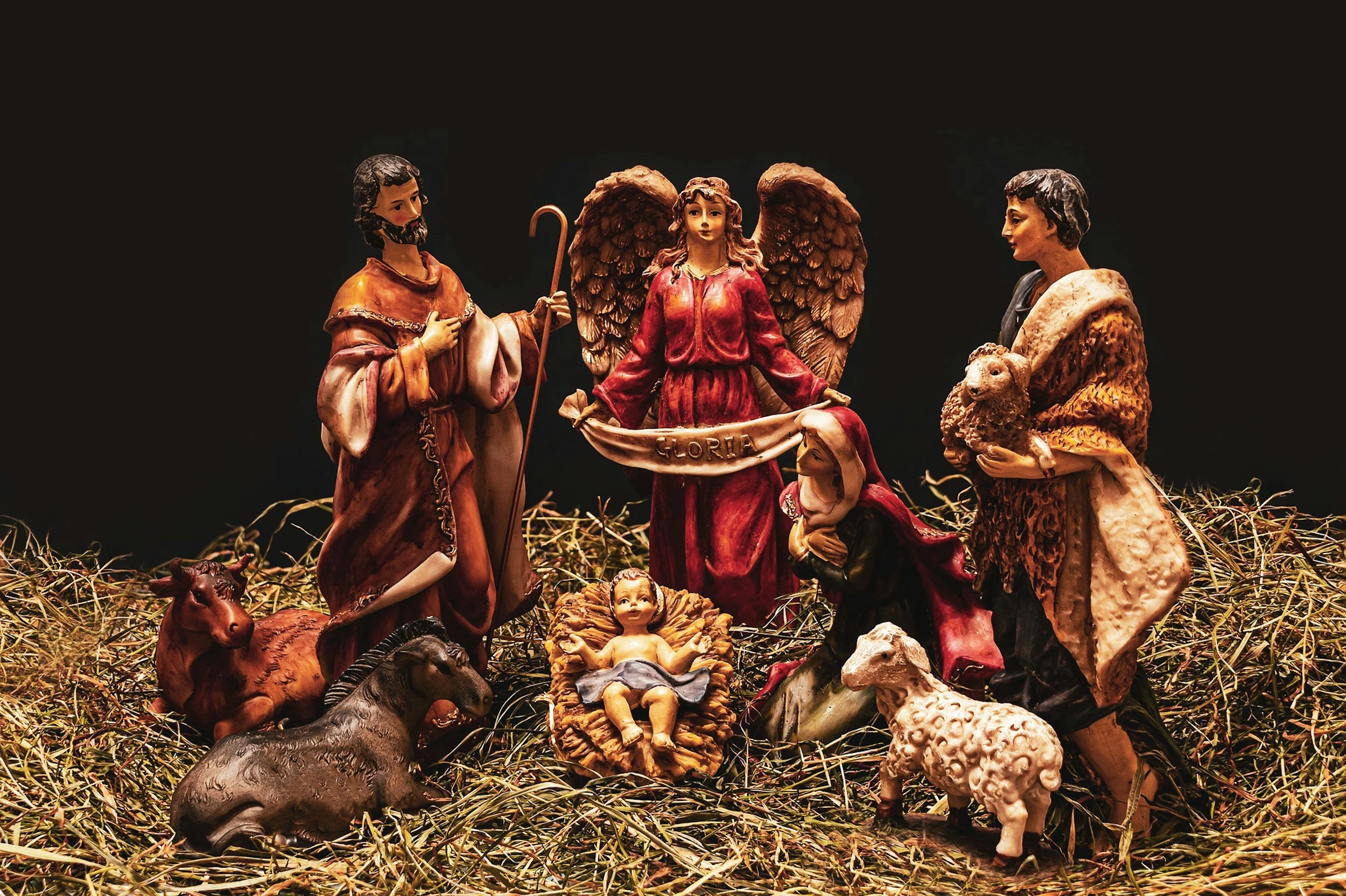
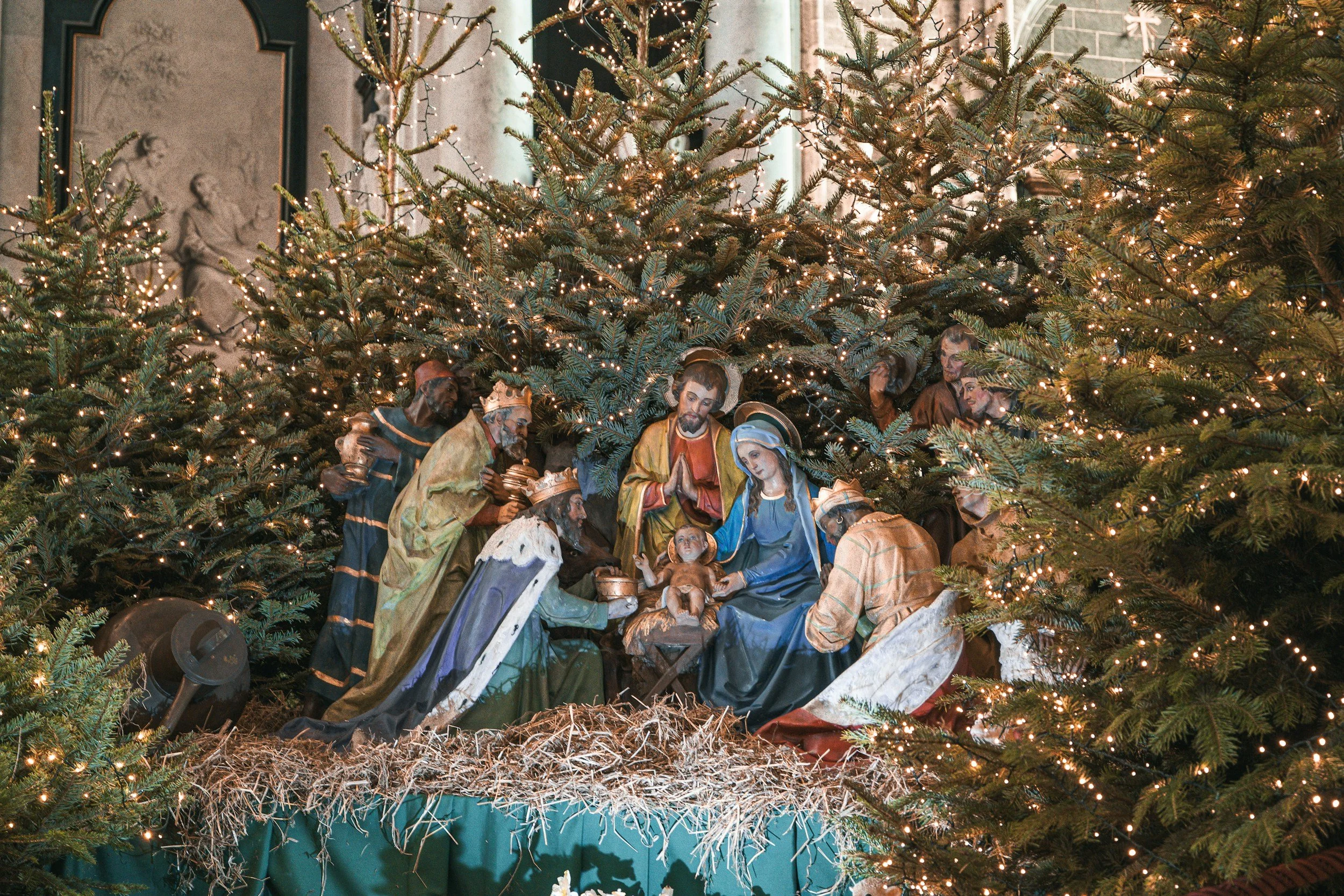
In many parishes of the Episcopal Church, the main liturgical celebrations of Christmas take place on Christmas Eve. Christmastide observances may include a Christmas Festival of Lessons and Carols, stations at a Christmas Creche, and seasonal blessings.
The popular customs associated with Christmas have developed from many sources.
From early days the popular observance of Christmas was marked by the joy and celebration characteristic of the Roman Saturnalia and the pagan festivals which it replaced. It came to include the decoration of houses with greenery and the giving of gifts to children and the poor.
In Britain other observances were added including the Yule log and Yule cakes, fir trees, gifts, and greetings. Fires and lights (symbols of warmth and lasting life) and evergreens (symbols of survival) were traditionally associated with both pagan and Christian festivals. Their use developed considerably in England with the importation of German customs and through the influence of the writings of Charles Dickens.
Awake, glad heart! get up and sing! It is the birth-day of thy King.
Henry Vaughn