
Seasons at St. Paul’s
Epiphany
Sunset on January 5 - eve of Ash Wednesday
The colors of the Feast of the Epiphany are white and gold; the color of the season is green.
“For there is no distinction between Jew and Greek; the same Lord is the Lord of all and is generous to all who call on him.”
Romans 10:12
The gospel stories of this season describe various events that manifest the divinity of Jesus, and reveal that divine nature to humanity: stories of God with us in the world.
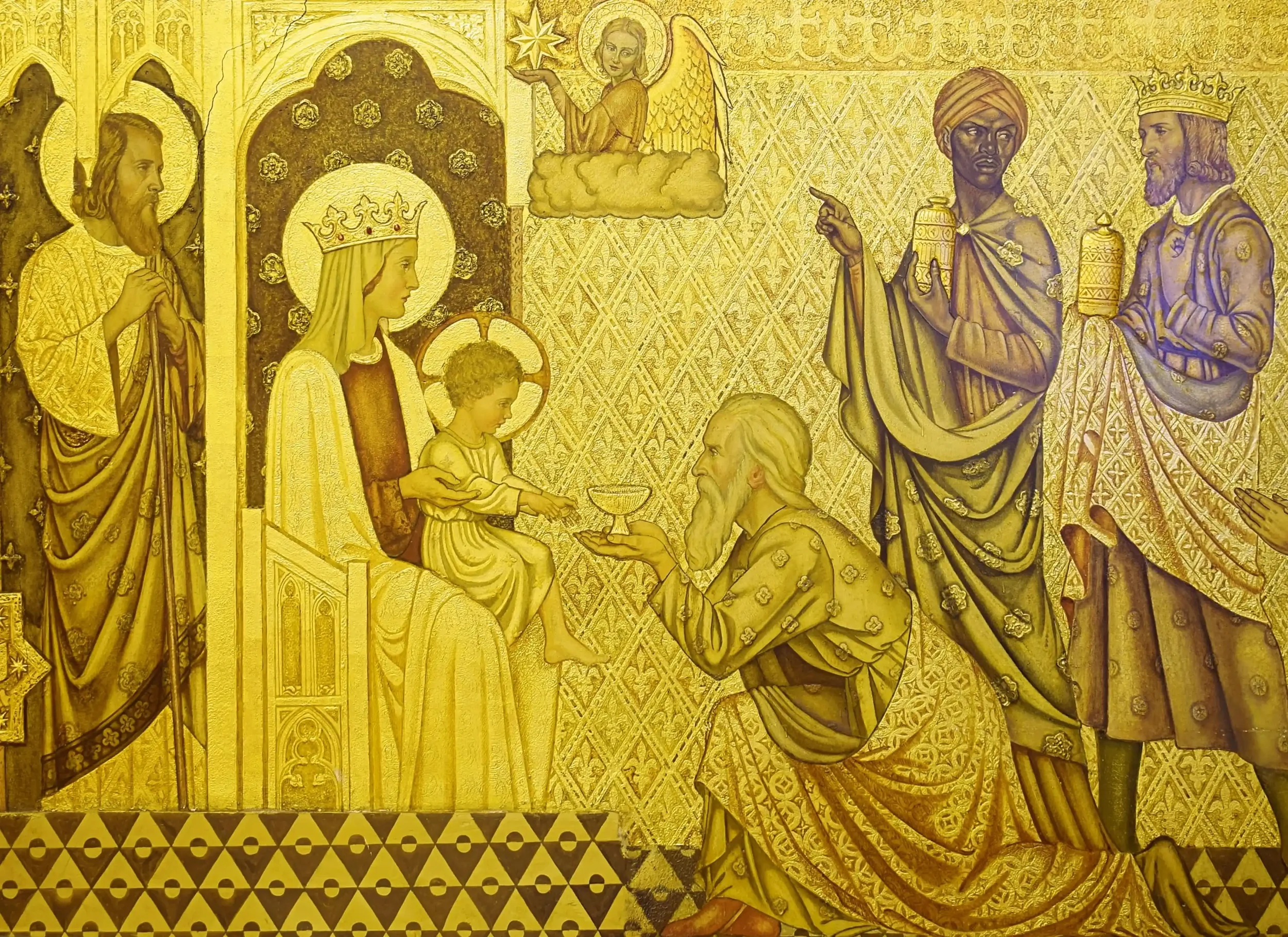
The coming of the Magi is celebrated on the Epiphany. The Baptism of our Lord is observed on the Sunday after Epiphany. The gospels for the other Sundays of the Epiphany season describe the wedding at Cana, the calling of the disciples, and various miracles and teachings of Jesus. The Last Sunday after the Epiphany is always devoted to the Transfiguration. Jesus' identity as the Son of God is dramatically revealed in the Transfiguration gospel, as well as the gospel of the baptism of Christ.
We are called to respond to Christ in faith through the showings of his divinity recorded in the gospels of the Epiphany season.
Like Christmas, Epiphany is celebrated around the world in colorful variety.
Twelfth Night celebrations are relatively common to mark the conclusion of the 12 Days of Christmas. This is the time to sing Christmas carols, have one’s house blessed, and (often) to then take Christmas decorations down.
Homes may be blessed by a priest or by the family with a piece of blessed chalk in what is called the Chalking of the Door.
Special “King Cakes” are often prepared for Epiphany celebrations. They usually contain certain items (such as a miniature figurine of the baby Jesus) that give the finder certain privileges or obligations.
In some places, it is customary to make paper crowns to remember the magi (often referred to as “kings”).
To discover how to be human now
Is the reason we follow this star.
WH Auden